
Introduction: The Critical Juncture of Your Trading Journey
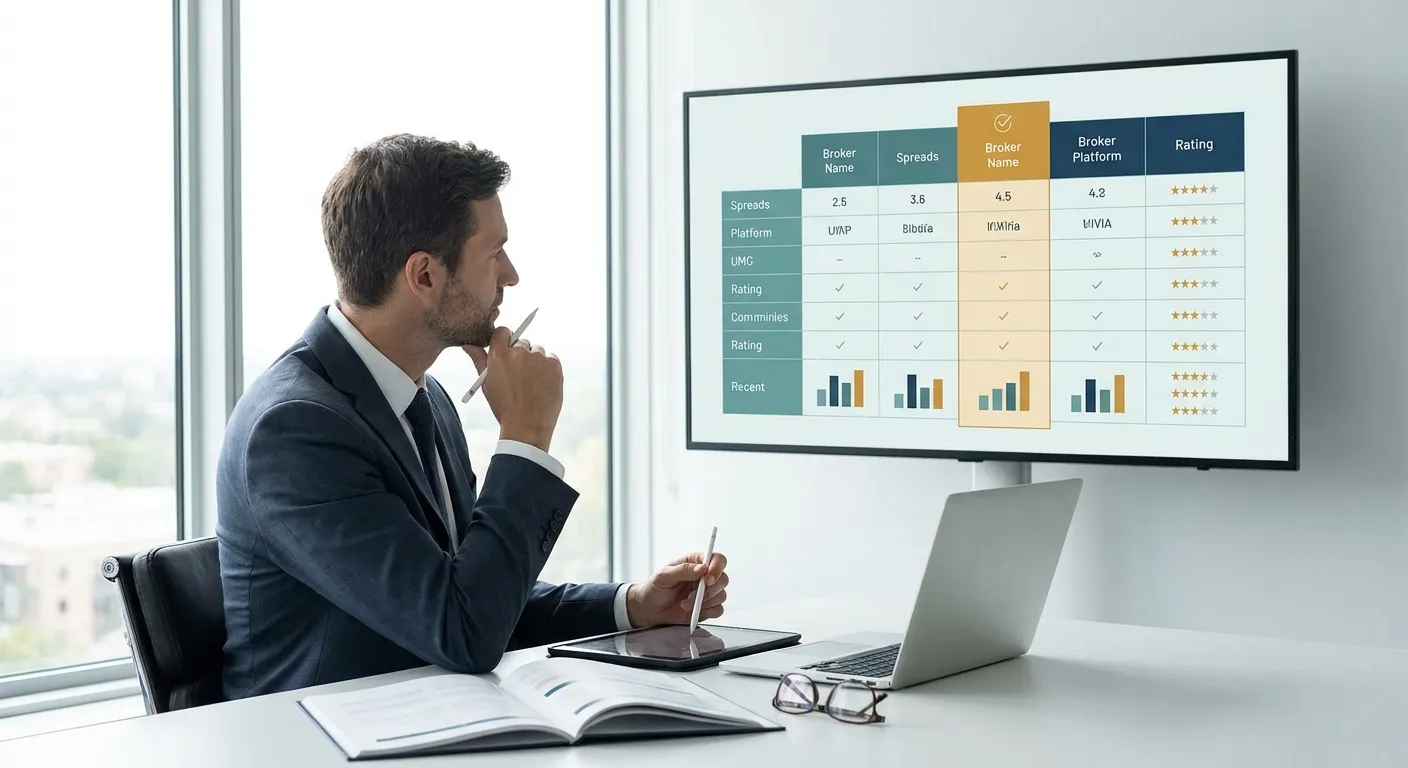
You’ve researched, compared features, and understood the nuances of various trading tools. Now comes the pivotal moment: making your final forex broker decision. In a highly competitive market, where over 3,400 active forex brokers vie for your attention, this final step is not merely a selection but a strategic commitment. The importance of trust, transparency, and compliance has never been more pronounced, with traders in 2025-2026 demanding visible proof of client fund protection and rigorous regulatory adherence.
At Forex Brokers Net, we specialize in providing the comprehensive, expert-backed guidance needed to navigate this critical juncture. Our transparent methodology, developed by seasoned financial market intermediaries, ensures that your final choice is not just an informed one, but the right one for your unique trading journey. This article presents a structured framework to solidify your decision, linking education to specific, trustworthy recommendations.
Why Your Final Forex Broker Decision Demands a Structured Approach
The forex market’s intense competition and evolving regulatory landscape make a casual broker selection a significant risk. Regulatory bodies globally are tightening their oversight; for instance, in the EU and UK, ESMA and FCA regulations impose strict leverage limits (e.g., 30:1 for major pairs) and mandatory protections like margin close-out and negative balance protection. These changes directly impact how and with whom you can trade. Furthermore, regulators are increasingly scrutinizing financial promotions, with new rules specifically targeting misleading online content. Your final forex broker decision must cut through marketing hype and focus on verified facts, ensuring your trading partner operates within a robust, trustworthy framework.
The Forex Brokers Net Decision Framework: Your Path to an Informed Choice
Our structured framework is designed to empower you to make a confident and well-reasoned final selection.
Step 1: Re-evaluate Your Trading Profile and Goals
Before making a final commitment, take a moment to confirm your current trading profile and future aspirations. Ask yourself:
- What is my current risk tolerance and available capital?
- Which asset classes do I prioritize (major FX pairs, exotics, commodities, indices)?
- What is my typical trading frequency and time commitment (scalper, day trader, swing trader, long-term investor)?
- Am I a beginner, intermediate, or advanced trader?
This self-assessment ensures that the broker you select will meet your evolving needs and support your growth.
Step 2: Prioritize Key Broker Criteria Based on Your Profile
Recall the key broker features we’ve discussed, and prioritize them according to your re-evaluated profile:
- Regulatory Compliance: Non-negotiable for all traders, but especially critical given increased scrutiny.
- Costs: Spreads, commissions, and overnight fees significantly impact profitability. Consider these carefully.
- Trading Platforms: Evaluate ease of use, available tools, and mobile compatibility. Many traders prefer MetaTrader 4/5, but proprietary platforms can offer unique advantages.
- Customer Support: Accessibility and responsiveness are vital, especially for new traders. Check for multiple contact methods and operating hours.
- Available Instruments: Ensure the broker offers the specific currency pairs or other assets you wish to trade. Some brokers specialize in certain markets.
- Funding Options: Convenient and secure deposit/withdrawal methods are essential. Review processing times and any associated fees.
- Educational Resources: Useful for continuous learning, particularly for those looking to expand their trading knowledge.
Step 3: Conduct a Final Due Diligence Check
With your prioritized criteria in hand, perform a thorough due diligence check on your top two or three broker candidates. This step is crucial for making your ultimate brokerage selection.
- Verify Regulation: Double-check the broker’s regulatory status directly on the regulator’s website (e.g., FCA, ASIC, CySEC). A common tactic for unregulated brokers is to claim regulation without actually holding a valid license. For example, visit the Financial Conduct Authority website to verify UK-regulated entities.
- Read Recent Reviews: While individual experiences vary, look for patterns in recent reviews on independent forums and trusted review sites. Pay attention to comments regarding withdrawals, customer service, and platform stability.
- Test Customer Support: Contact their support team with a specific query. Assess their response time, clarity, and helpfulness. This provides direct insight into their service quality.
- Review Terms & Conditions: Scrutinize the fine print, especially regarding withdrawal policies, inactivity fees, and any hidden charges. Transparency here is a strong indicator of a trustworthy broker.
Step 4: Execute a Micro-Trade or Demo Account Test (If Applicable)
Before committing substantial capital, consider a small deposit and a micro-trade, or thoroughly test a demo account. This practical step allows you to experience the broker’s platform, execution speeds, and overall service firsthand. It’s a low-risk way to confirm your final forex broker decision.
- Platform Familiarity: Ensure you are comfortable with the interface and order execution.
- Spread Consistency: Observe spreads during different market conditions to assess their typical range.
- Slippage: Note any significant slippage, especially during volatile periods.
- Withdrawal Process: If making a micro-deposit, attempt a small withdrawal to test the efficiency and speed of the process. This is a critical factor for many traders.
Key Considerations for Your Final Forex Broker Decision
Several overarching themes should guide your ultimate choice. These factors often differentiate top-tier brokers from the rest.
Security of Funds and Regulatory Oversight
The paramount concern for any trader should be the security of their capital. Strong regulation from reputable authorities (like the FCA, ASIC, CySEC, or NFA) is not just a suggestion; it is a necessity. These regulators enforce strict rules on client fund segregation, meaning your money is held in separate bank accounts from the broker’s operational funds. Furthermore, many regulated brokers offer investor compensation schemes, providing an additional layer of protection in case of broker insolvency. Always confirm the regulatory body and license number. This due diligence is fundamental to a sound final forex broker decision.
Transparency in Pricing and Execution
Hidden fees and opaque pricing models can significantly erode your trading profits. A reliable broker will clearly outline all costs, including spreads, commissions, swap rates, and any inactivity fees. Moreover, look for transparency in trade execution. Brokers should provide clear information on their execution model (e.g., ECN, STP, Market Maker) and demonstrate consistent, fair execution without excessive slippage or re-quotes. This clarity is essential for making an informed final forex broker decision.
Advanced Trading Tools and Resources
While basic trading platforms are sufficient for some, advanced traders often require sophisticated tools. Look for brokers offering:
- Advanced Charting: Tools with numerous indicators and drawing options.
- Automated Trading Capabilities: Support for Expert Advisors (EAs) or other algorithmic strategies.
- Economic Calendars and News Feeds: Integrated market analysis tools.
- Risk Management Features: Robust stop-loss and take-profit functionalities.
- Proprietary Tools: Unique analytical or trading tools developed by the broker.
These resources can significantly enhance your trading edge, making them a crucial element in your final forex broker decision.
Customer Service Excellence
Excellent customer support is often overlooked until an issue arises. A responsive, knowledgeable, and multilingual support team available through multiple channels (phone, email, live chat) is invaluable. They should be able to assist with technical issues, account queries, and trading questions efficiently. Before making your final forex broker decision, interact with their support to gauge their professionalism and effectiveness.
Scalability and Long-Term Fit
Your trading journey will likely evolve. Therefore, consider whether the broker can accommodate your future needs. Can they offer higher leverage (if appropriate and regulated), access to new markets, or advanced account types as your experience grows? A broker that can scale with your ambitions will save you the hassle of switching in the future. This forward-thinking perspective is key to a lasting final forex broker decision.
Forex Brokers Net Recommendations: Guiding Your Final Broker Choice
Based on our rigorous evaluation methodology, we consistently identify brokers that excel in key areas. While your individual needs will dictate your specific choice, certain brokers stand out for their overall reliability, competitive offerings, and robust regulatory compliance.
Top-Tier Regulated Brokers
We generally recommend brokers regulated by top-tier authorities such as the FCA (UK), ASIC (Australia), CySEC (Cyprus), or BaFin (Germany). These regulators impose stringent rules that protect client interests. For example, brokers like Pepperstone and IG are consistently highly rated for their strong regulatory standing, competitive spreads, and excellent trading platforms. They exemplify the security and transparency we advocate for.
Brokers for Specific Trading Styles
- For Scalpers and Day Traders: Look for brokers with very tight spreads, low commissions, and fast execution. ECN/STP brokers are often preferred here due to direct market access.
- For Swing Traders and Long-Term Investors: Consider brokers with a wide range of tradable instruments, comprehensive research tools, and potentially lower swap rates.
- For Beginners: Brokers offering extensive educational resources, intuitive platforms, and responsive customer support are ideal. They help ease the learning curve.
Our detailed reviews provide specific recommendations tailored to various trading preferences, helping you refine your final forex broker decision.
Avoiding Pitfalls in Your Final Forex Broker Decision
Even after thorough research, certain red flags can indicate a potentially problematic broker. Be vigilant.
- Unrealistic Promises: Beware of brokers promising guaranteed returns or excessively high profits. Forex trading involves significant risk, and such promises are usually indicative of a scam.
- Lack of Regulatory Information: If a broker does not prominently display its regulatory licenses or if these cannot be verified, avoid them. This is a critical indicator.
- Aggressive Sales Tactics: High-pressure sales calls or demands for large initial deposits are warning signs. Legitimate brokers allow you to make decisions at your own pace.
- Difficulty with Withdrawals: Persistent complaints about delayed or denied withdrawals are a major red flag. Always prioritize brokers with a clear and efficient withdrawal process.
Trust your instincts. If something feels off, it likely is. Your final forex broker decision should be made with complete confidence, not under duress.
Conclusion: Empowering Your Trading Journey
Making your final forex broker decision is a significant milestone in your trading career. It requires careful consideration, adherence to a structured framework, and a commitment to due diligence. By re-evaluating your profile, prioritizing key criteria, conducting thorough checks, and testing the waters, you equip yourself to make a choice that aligns with your goals and protects your capital.
At Forex Brokers Net, we remain dedicated to providing the insights and recommendations necessary to navigate this complex landscape. Remember, the right broker is a partner in your trading success. Choose wisely, stay informed, and trade securely. Your informed final forex broker decision is your best defense against market risks and your strongest asset for future growth.
FAQ
How important is regulation when choosing a forex broker?
Regulation is extremely important. It ensures your funds are segregated, offers investor compensation in some jurisdictions, and holds brokers accountable to strict financial standards. Always prioritize brokers regulated by reputable authorities to safeguard your investments.
What are the most critical factors to consider beyond regulation?
Beyond regulation, key factors include transparent pricing (spreads, commissions), reliable trading platforms, efficient customer support, and the availability of instruments you wish to trade. These elements directly impact your trading experience and profitability.
Should I test a demo account before making my final brokerage selection?
Yes, testing a demo account is highly recommended. It allows you to familiarize yourself with the platform, execution speeds, and overall trading environment without risking real capital. This practical experience can significantly inform your ultimate broker choice.
How can I verify a broker’s regulatory status?
You can verify a broker’s regulatory status by visiting the official website of the stated regulatory body (e.g., FCA, ASIC, CySEC) and searching for the broker’s license number or company name. Do not rely solely on the information provided on the broker’s website itself.
What if I need to change my forex trading provider later?
While the goal is to make a long-term choice, it is possible to change your forex trading provider if your needs evolve or if you become dissatisfied. Ensure you understand the withdrawal process and any associated fees with your current broker before initiating a transfer or opening a new account elsewhere.
Explore more: More from Forex Brokers Net
