
Compare Forex Broker Features: A Methodical Guide for Traders
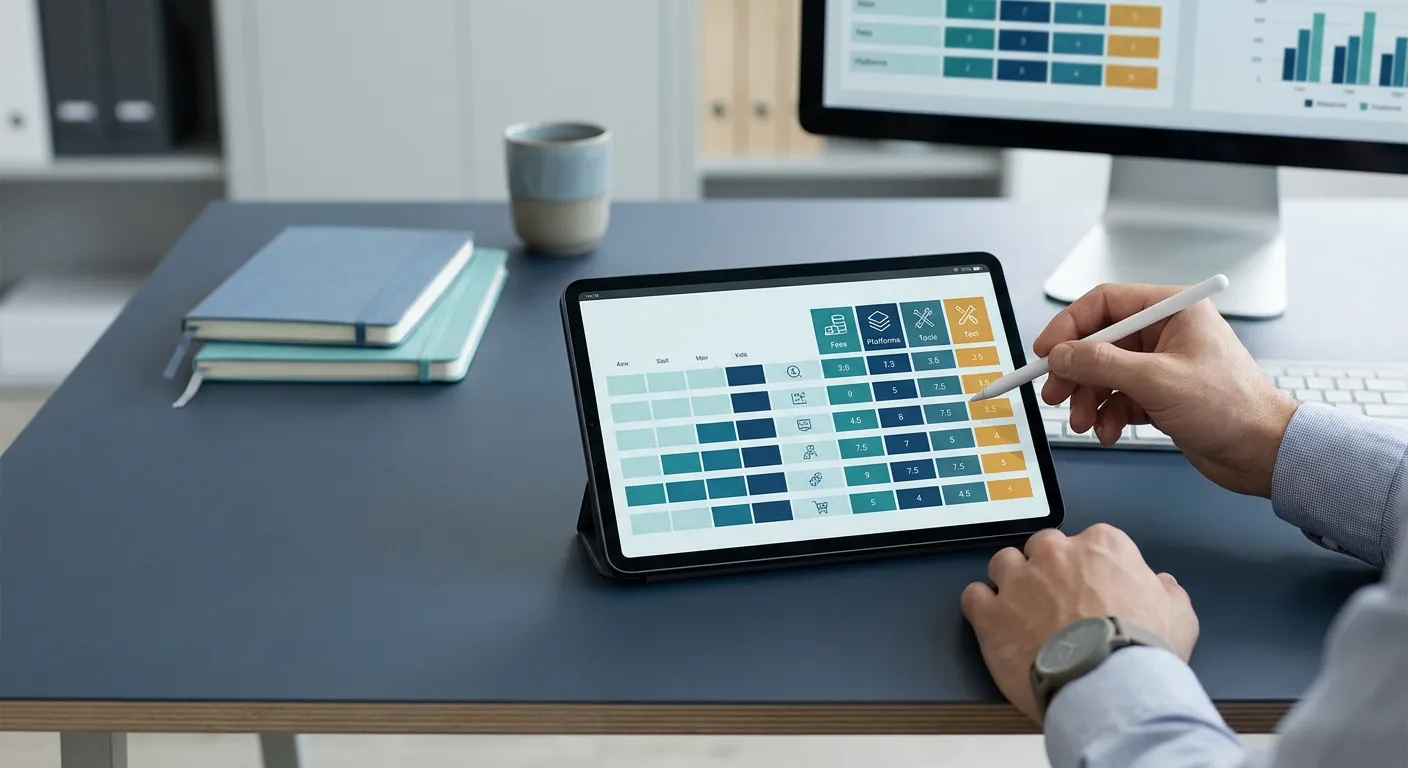
In the dynamic world of forex trading, selecting the right broker is a foundational decision that profoundly impacts your trading journey. With the global foreign exchange market expanding rapidly to an estimated $2.73 quadrillion by 2025, and average daily FX turnover reaching US $9.6 trillion, the landscape is intensely competitive. This growth has fueled an intensely crowded broker environment, with over 3,400 active forex brokers globally. This sheer volume makes the task to compare forex broker features not just important, but essential for both new and experienced traders.
At Forex Brokers Net, we understand that sifting through countless options can be daunting. Our mission is to provide a transparent and comprehensive methodology, developed by experienced experts, to help you evaluate and review forex brokers. This guide offers a methodical approach to comparing crucial broker features, ensuring you make an informed choice that aligns with your individual trading needs.
Why a Methodical Approach to Broker Features Matters
The intense competition among forex brokers means that while many offer compelling services, the specifics can vary wildly. Generic marketing claims often obscure critical details that can affect your profitability, risk exposure, and overall trading experience. Without a structured comparison, traders risk choosing a broker ill-suited to their strategy, leading to frustration and potential financial setbacks. A methodical approach empowers you to cut through the noise, focusing on concrete data and verifiable services.
Furthermore, the industry is undergoing significant evolution, with stringent regulatory changes and advancements in technology. Traders in 2025-2026 are increasingly sophisticated, demanding transparency and visible proof of client fund protection. This heightened demand necessitates a detailed examination of broker features to ensure compliance and trustworthiness.
Core Features to Scrutinize in Your Broker Comparison
When you embark on the journey to compare forex broker features, several key areas demand your meticulous attention. These elements collectively define a broker’s offering and its suitability for your trading style.
Spreads and Commissions: The True Cost of Trading
One of the most immediate financial considerations is the cost of trading. This primarily comes in the form of spreads (the difference between the buy and sell price) and commissions. Spreads can be variable, fluctuating with market volatility, or fixed. Brokers operating ECN (Electronic Communication Network) or STP (Straight Through Processing) models typically offer tighter, variable spreads with a commission per trade, while market makers might offer fixed spreads. Understanding these models and their direct impact on your trading costs, especially for high-frequency traders, is paramount.
Trading Platforms: Your Gateway to the Market
The trading platform is your primary interface with the market. Therefore, its functionality, reliability, and user-friendliness are critical. MetaTrader 4 (MT4) and MetaTrader 5 (MT5) remain industry standards, renowned for their robust charting tools, analytical capabilities, and support for automated trading via Expert Advisors (EAs). However, many brokers also offer proprietary platforms, which can provide unique features or a more streamlined experience. For instance, some proprietary platforms excel in social trading or offer enhanced mobile functionality. Consequently, assessing the platform’s stability, execution speed, and available order types is crucial.
Regulation and Security: Protecting Your Capital
Perhaps the most critical factor when you evaluate forex broker offerings is regulatory oversight. Reputable brokers are regulated by financial authorities in their operating jurisdictions. Examples include the FCA in the UK, ASIC in Australia, CySEC in Cyprus, and the NFA/CFTC in the US. Regulatory compliance ensures that brokers adhere to strict capital requirements, client fund segregation, and transparent business practices. Furthermore, it often provides recourse for traders in case of disputes or broker insolvency. Always verify a broker’s regulatory status on the regulator’s official website. This step is non-negotiable for safeguarding your investment.
Account Types and Minimum Deposits: Tailoring to Your Needs
Brokers typically offer various account types designed to cater to different trader profiles. These might include standard accounts, mini accounts, micro accounts, ECN accounts, and Islamic (swap-free) accounts. Each type comes with distinct features, such as varying minimum deposit requirements, spread structures, and leverage options. Therefore, understanding these differences is vital. For example, a beginner might prefer a micro account with a low minimum deposit, while an experienced trader might opt for an ECN account for tighter spreads. Furthermore, comparing minimum deposit requirements helps align your capital with the broker’s offerings.
Customer Support: When You Need Assistance
Reliable and responsive customer support is essential, particularly when dealing with time-sensitive financial transactions. Evaluate the availability of support channels (e.g., live chat, email, phone), their operating hours, and the languages supported. A broker with 24/5 or 24/7 support is often preferable, especially for traders operating across different time zones. Moreover, the quality of support, measured by response time and the helpfulness of representatives, significantly impacts your overall trading experience. In fact, some brokers offer dedicated account managers, which can be a considerable advantage.
Available Instruments: Diversifying Your Portfolio
Beyond major and minor currency pairs, many forex brokers offer a broader range of trading instruments. These can include exotic currency pairs, commodities (like gold and oil), indices, cryptocurrencies, and even stocks via Contracts for Difference (CFDs). A wider selection of instruments provides more opportunities for diversification and allows you to trade markets beyond just forex. Therefore, consider whether the broker’s offerings align with your diversification strategy and trading interests. For example, if you plan to trade oil, ensure the broker provides competitive pricing and reliable execution for that asset.
Educational Resources and Research Tools: Empowering Your Decisions
For both new and experienced traders, access to quality educational resources and research tools can be invaluable. Many brokers provide webinars, tutorials, e-books, and articles covering various aspects of forex trading, from basic concepts to advanced strategies. Additionally, research tools like economic calendars, market news feeds, technical analysis indicators, and fundamental analysis reports can significantly enhance your decision-making process. Consequently, a broker that invests in trader education and provides comprehensive analytical tools demonstrates a commitment to client success. This is a crucial aspect to consider when you compare forex broker features.
Advanced Considerations for Broker Evaluation
Beyond the core features, several advanced considerations can further refine your choice and help you truly compare forex broker features effectively.
Execution Speed and Slippage: Precision in Trading
Execution speed refers to how quickly your orders are processed by the broker. In fast-moving markets, even a slight delay can result in significant price differences, known as slippage. Slippage occurs when your order is filled at a different price than intended. While some slippage is unavoidable during extreme volatility, consistent negative slippage can erode profits. Therefore, look for brokers known for fast execution and minimal slippage, especially if you engage in scalping or high-frequency trading. Some brokers publish their average execution speeds, which can be a useful metric.
Leverage and Margin Requirements: Managing Risk
Leverage allows traders to control larger positions with a smaller amount of capital. While it can magnify profits, it also significantly increases potential losses. Regulatory bodies often impose limits on the maximum leverage offered to retail traders to mitigate risk. For instance, in Europe, ESMA limits leverage to 1:30 for major currency pairs. Conversely, brokers regulated in other jurisdictions might offer much higher leverage. Understanding a broker’s leverage policy and margin requirements is crucial for effective risk management. Always consider the risks associated with high leverage.
Deposit and Withdrawal Methods: Convenience and Speed
The ease and speed of depositing and withdrawing funds are practical considerations. Assess the available payment methods (e.g., bank wire, credit/debit cards, e-wallets like Skrill or Neteller) and any associated fees or processing times. Furthermore, verify the broker’s policy on withdrawals, ensuring that funds can be accessed promptly and without undue complications. A transparent and efficient withdrawal process indicates a reliable broker. In fact, delays or excessive fees in withdrawals are often red flags.
Technological Infrastructure and Innovation: Staying Ahead
The forex market is constantly evolving, with new technologies emerging regularly. Brokers that invest in robust technological infrastructure, including advanced servers and data centers, can offer better execution and platform stability. Moreover, innovative features like social trading capabilities, API access for algorithmic traders, or advanced charting tools can provide a competitive edge. When you compare forex broker features, consider the broker’s commitment to technological advancement. This shows their dedication to providing a cutting-edge trading environment.
Reputation and User Reviews: Community Insights
While direct feature comparison is vital, insights from other traders can also be valuable. Reputable review sites and forums often provide feedback on a broker’s services, customer support, and overall reliability. However, it is important to approach user reviews with a critical eye, considering both positive and negative feedback and looking for consistent patterns. A long-standing broker with a generally positive reputation and few major complaints is often a safer choice. Nevertheless, always prioritize regulatory status over anecdotal evidence.
Methodology for a Comprehensive Broker Comparison
To effectively compare forex broker features, we recommend a systematic approach:
- Define Your Trading Profile: First, identify your trading style (e.g., scalping, swing trading, long-term), risk tolerance, preferred instruments, and capital availability. This foundational step helps narrow down suitable brokers.
- Shortlist Potential Brokers: Next, based on your profile, research and identify a handful of brokers that appear to meet your primary requirements. Utilize reputable review sites and industry rankings.
- Verify Regulation: Crucially, confirm the regulatory status of each shortlisted broker with the relevant financial authorities. This is a non-negotiable step. For example, check the FCA register for UK-regulated brokers.
- Detailed Feature Comparison: Systematically compare each broker across the core and advanced features discussed above. Create a spreadsheet to track and score each criterion. Pay close attention to spreads, commissions, platforms, and customer support.
- Test with a Demo Account: Before committing real capital, open a demo account with your top choices. This allows you to test the trading platform, execution speed, and customer support in a risk-free environment. This is an excellent way to experience the broker firsthand.
- Read Terms and Conditions: Carefully review the broker’s terms and conditions, especially regarding deposits, withdrawals, dormant account fees, and any specific trading rules.
- Make an Informed Decision: Finally, based on your comprehensive evaluation and demo testing, select the broker that best aligns with your trading needs and risk profile.
The Importance of Ongoing Evaluation
The forex market is dynamic, and so are the offerings of brokers. Therefore, your decision to compare forex broker features should not be a one-time event. Periodically review your chosen broker’s performance and compare it against emerging market trends and new broker offerings. This ensures that your broker continues to meet your evolving trading requirements. For example, a broker might introduce new trading tools or change its fee structure. Staying informed helps you adapt.
Conclusion: Your Path to a Confident Trading Future
Choosing the right forex broker is a critical step towards achieving your trading objectives. By adopting a methodical and thorough approach to compare forex broker features, you empower yourself to make an informed decision, mitigate risks, and optimize your trading experience. At Forex Brokers Net, we advocate for transparency and diligence in broker selection. We believe that a well-researched choice is the cornerstone of successful forex trading. Utilize this guide as your framework to navigate the complexities of the broker landscape and secure a partnership that supports your trading aspirations.
FAQ: Frequently Asked Questions About Broker Selection
What are the most important factors when choosing a forex broker?
The most important factors include regulatory status, trading costs (spreads and commissions), the quality of the trading platform, and reliable customer support. These elements directly impact your security and profitability.
How can I verify a forex broker’s regulation?
You should always visit the official website of the financial regulatory body in the broker’s stated jurisdiction (e.g., FCA, ASIC, CySEC) and search for the broker’s license number or name. Do not rely solely on claims made on the broker’s website.
Is a demo account really necessary before opening a live account?
Yes, a demo account is highly recommended. It allows you to familiarize yourself with the broker’s platform, test your trading strategies, and assess execution speeds without risking real capital. It’s a crucial step in evaluating a broker’s services.
What are common red flags to look for in a forex broker?
Red flags include a lack of clear regulatory information, unusually high leverage offers without warnings, persistent negative user reviews about withdrawal issues, and high pressure sales tactics. Always exercise caution with brokers exhibiting these signs.
How often should I re-evaluate my forex broker?
It’s advisable to periodically re-evaluate your broker, perhaps annually or whenever your trading strategy significantly changes. The market evolves, and new brokers or features may emerge that better suit your needs. This ongoing assessment helps ensure you always have the best partnership.
Explore more: More from Forex Brokers Net
